
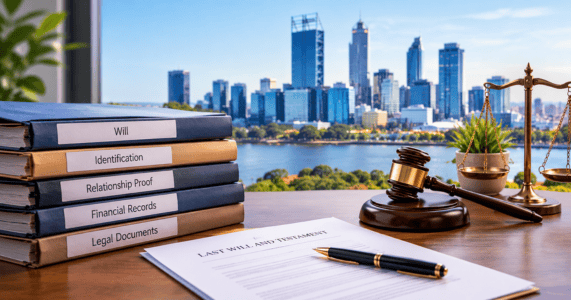
Contesting a will in Perth is an evidence-based legal process. The documents needed to contest a will will depend on the grounds of the dispute. Medical records can become important when testamentary capacity is questioned, while earlier wills may help establish changes in the deceased’s intentions. On the other hand, emails, letters or witness accounts may provide context about how the will was prepared and signed.
Will contest lawyers in Perth can assess these materials to determine which evidence is relevant to the claim. Collecting documents early can assist in forming a more accurate process and help recognise areas where further evidence is required.
The first thing that you need to obtain is the will. If there have been any previous versions of the will, keep them handy as well. Those versions can reflect the changes in testamentary intentions.
The documents needed to contest a will may include:
The Supreme Court of Western Australia requires the original will for a probate application and advises keeping it in its original condition.
A will may be challenged if there are concerns about the deceased’s mental capacity when it was made. A medical diagnosis alone does not establish incapacity. The circumstances at the time of execution are important.
Medical records can include clinical notes, hospital records, cognitive assessments and specialist reports. People who observed the deceased during the relevant period may also provide useful evidence.
The evidence needed to contest a will can be assessed alongside the deceased’s decisions, communications and behaviour during the same period.
An “earlier” will does not automatically make a “later will” invalid. It can help establish the history of the deceased’s decisions. Keep previous wills, codicils, letters and notes that may explain a change. The timing may also matter if the change occurred during illness, family conflict or dependence on another person.
The documents required to contest a will in Perth depend on the legal issue being raised. Collect records that relate directly to that issue rather than unrelated paperwork.
A will may be challenged for undue influence if someone pressured the deceased into making the decisions in it. A change in beneficiaries alone does not establish improper influence. Relevant material may include messages, emails, letters, financial records and accounts from people who knew the deceased. Records showing another person’s involvement in appointments, finances or communications may also be relevant.
Documents for contesting a will should be preserved in their original form. Do not edit messages, remove pages or discard notes that could help establish what happened.
A dispute about authenticity requires careful handling of the available evidence. If a signature appears inconsistent or a document seems altered, preserve the original without making changes. Will dispute lawyers in Perth can help assess the evidence and explain the appropriate legal steps.
Useful records may include earlier versions of the will, known signature samples, solicitor correspondence and documents concerning preparation or execution. Expert evidence may be appropriate where a signature or document is disputed.
The circumstances surrounding execution can become important when the formal validity of a will is questioned. Anyone researching “how to contest a will in Perth” may need to examine solicitor file notes showing when instructions were given and how the signing was arranged.
Witnesses may have information about who was present and what occurred. Affidavits, appointment records and correspondence can therefore become relevant. The Wills Act 1970 governs wills in Western Australia. Supreme Court practice directions set out procedures for particular applications concerning wills.
Not every estate dispute involves arguing that a will is invalid. An eligible person may instead seek further provision under the Family Provision Act 1972. Estate lawyers in Perth may review the claimant’s financial circumstances alongside the resources available from the estate. Financial evidence can be central to such a claim. Bank statements, payslips, tax records, rental or mortgage documents, household expenses and information about debts can show the claimant’s financial position.
Records concerning the deceased’s property, investments, bank accounts and other significant assets may help establish the size and nature of the estate.
The right documents give a clear factual foundation. Preserve the will and earlier versions, gather relevant medical and financial records, retain correspondence and identify witnesses with firsthand knowledge.
Early legal advice from deceased estate lawyers in Perth can help identify missing records, clarify deadlines and ensure the available evidence is considered within the correct legal framework.
